



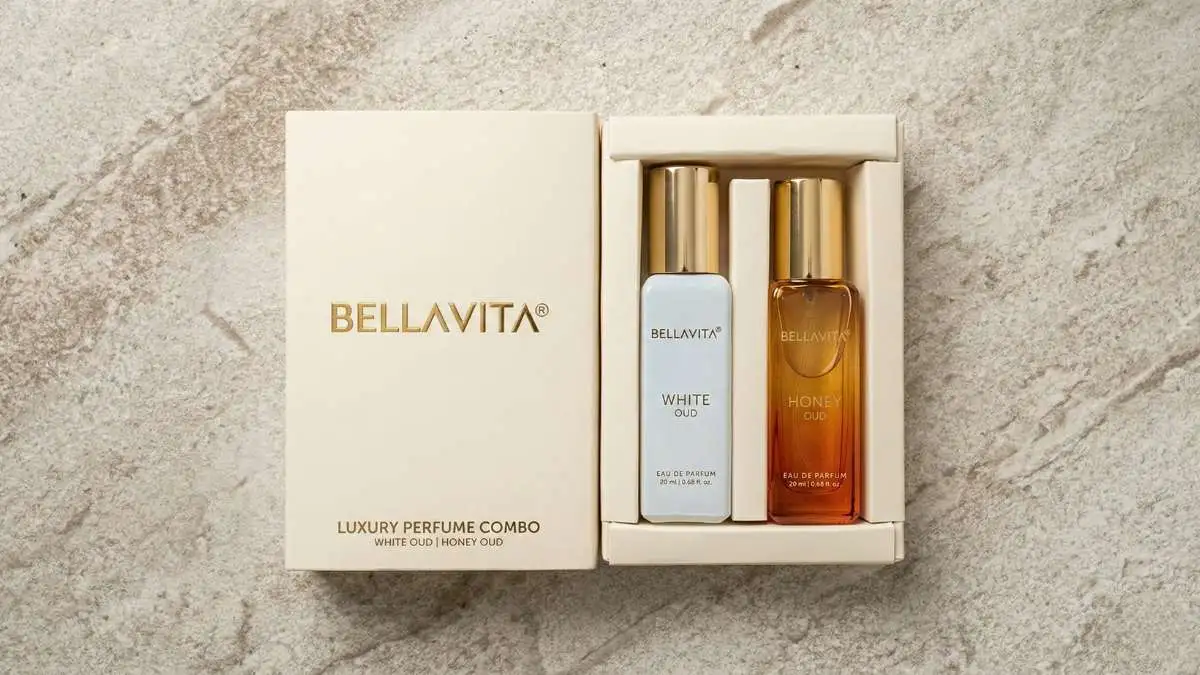
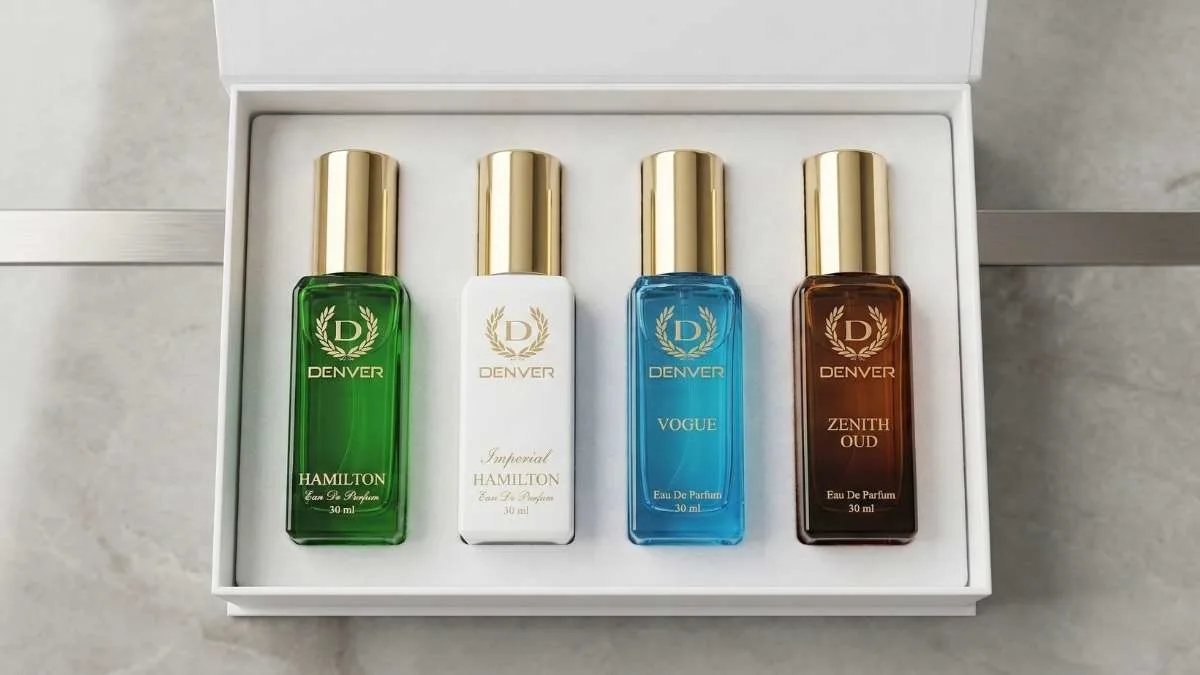
Perfume: A Complete Guide to Fragrance, Types, and Choosing the Right Perfume
Perfume is more than just a pleasant smell—it is a part of personal style, confidence, and everyday grooming. A good fragrance can make you feel fresh, create a memorable impression, and even become part of your identity. With hundreds of perfume brands, fragrance types, and scent combinations available today, choosing the right perfume can sometimes feel confusing.
In this guide, we will explore what perfume is, the different types of fragrances, popular fragrance notes, how long perfumes last, and how to choose the best perfume for different occasions.
What Is Perfume?
Perfume is a mixture of fragrant ingredients combined with alcohol and, in some cases, water or other ingredients. The fragrance comes from materials such as flowers, fruits, spices, woods, herbs, resins, and synthetic aroma compounds.
Different perfumes contain different concentrations of fragrance oils. Generally, a higher concentration means the fragrance can last longer, although longevity also depends on the ingredients, skin type, weather, and application method.
Different Types of Perfume
Perfumes are commonly categorized according to their fragrance-oil concentration. The main types include:
1. Parfum
Parfum, also called Extrait de Parfum, usually has one of the highest concentrations of fragrance oils. It is generally rich, powerful, and long-lasting. Because of its concentration, only a small amount may be needed.
2. Eau de Parfum (EDP)
Eau de Parfum is one of the most popular perfume types. It offers a good balance between fragrance strength and longevity, making it suitable for both everyday use and special occasions.
3. Eau de Toilette (EDT)
Eau de Toilette usually contains a lower fragrance concentration than Eau de Parfum. It tends to feel lighter and fresher, making it a popular choice for daytime wear.
4. Eau de Cologne (EDC)
Eau de Cologne has a relatively low fragrance concentration and generally provides a lighter scent. It is often associated with fresh and refreshing fragrances.
5. Body Mist
Body mists contain less fragrance than many traditional perfumes. They are usually light, refreshing, and suitable for casual everyday use.
Understanding Fragrance Notes
A perfume does not smell exactly the same from the moment you spray it until the fragrance disappears. This is because perfumes are designed around different fragrance notes.
Top Notes
Top notes are the first scents you notice after applying a perfume. They are usually fresh and light and may include citrus, herbs, or fruity aromas.
Middle Notes
Middle notes, also known as heart notes, become noticeable after the top notes begin to fade. Floral, fruity, and spicy ingredients are commonly used in this stage.
Base Notes
Base notes appear gradually and often remain for the longest time. Common examples include vanilla, musk, amber, sandalwood, cedarwood, and other woody or warm ingredients.
Together, these three stages create the overall fragrance experience.
Popular Perfume Fragrance Families
Understanding fragrance families can make it easier to find a scent you enjoy.
Floral
Floral perfumes feature flowers such as rose, jasmine, lavender, and orange blossom. They can range from soft and delicate to rich and sophisticated.
Fresh
Fresh fragrances often feature citrus, aquatic, green, or clean-smelling notes. They are particularly popular for warm weather and daytime use.
Woody
Woody perfumes commonly include sandalwood, cedarwood, vetiver, and similar notes. They often create a warm, elegant, and sophisticated character.
Oriental or Amber
These fragrances often combine warm, sweet, spicy, and resinous notes. Vanilla, amber, spices, and woods are frequently used to create a rich scent profile.
Fruity
Fruity perfumes feature ingredients such as apple, peach, pear, berries, pineapple, or citrus fruits. They can provide a sweet and energetic character.
How to Choose the Right Perfume
Choosing a perfume is a personal decision because everyone's taste is different. Consider these factors before buying one.
Consider the Occasion
A fresh and lighter fragrance may work well for school, work, or daytime activities, while a richer fragrance can be suitable for parties, celebrations, or evening events.
Consider the Weather
In hot and humid weather, fresh, citrus, aquatic, and lighter fragrances can feel comfortable. During cooler weather, warm, woody, spicy, and sweet fragrances can be appealing.
Understand Your Preference
Think about the scents you already enjoy. If you like fresh fruits, citrus perfumes may be a good starting point. If you prefer warm and sweet aromas, vanilla, amber, and woody fragrances may suit you better.
Test Before Buying
If possible, test a perfume on your skin rather than relying only on how it smells on a paper strip. Fragrance can develop differently depending on an individual's skin chemistry.
How to Make Perfume Last Longer
The way you apply perfume can affect how long you can smell it.
Apply perfume to clean, dry skin.
Moisturize your skin before applying fragrance.
Spray on common pulse points such as the wrists and neck.
Avoid rubbing your wrists together after applying perfume.
Store perfume away from direct sunlight and excessive heat.
Keep the bottle tightly closed when not in use.
Remember that perfume longevity varies from person to person. Temperature, humidity, skin type, fragrance composition, and application method can all affect performance.
Perfume for Different Occasions
Having more than one fragrance can be useful because different occasions call for different styles.
For everyday use: Choose fresh, clean, citrus, or mild woody fragrances.
For formal occasions: Elegant woody, floral, or sophisticated amber fragrances can be appropriate.
For parties: Sweet, fruity, spicy, or stronger fragrances may work well.
For hot weather: Fresh and aquatic fragrances are often comfortable choices.
For cooler weather: Warm, woody, spicy, and vanilla-based fragrances can provide a cozy character.
Perfume as Part of Personal Style
Fragrance is a simple way to express personality. Some people prefer fresh and energetic scents, while others enjoy sweet, mysterious, woody, or sophisticated fragrances.
There is no single perfume that is perfect for everyone. The best perfume is ultimately the one whose scent you personally enjoy and feel comfortable wearing.
Final Thoughts
Perfume can add an extra touch to your daily grooming routine and personal style. By understanding perfume concentrations, fragrance notes, fragrance families, and the right way to apply and store perfume, you can make better purchasing decisions.
Whether you prefer a fresh citrus fragrance, a romantic floral scent, a warm vanilla aroma, or a sophisticated woody perfume, there are countless options to explore. Take your time, discover different fragrance families, and find the scents that match your personality, occasion, and preferences.